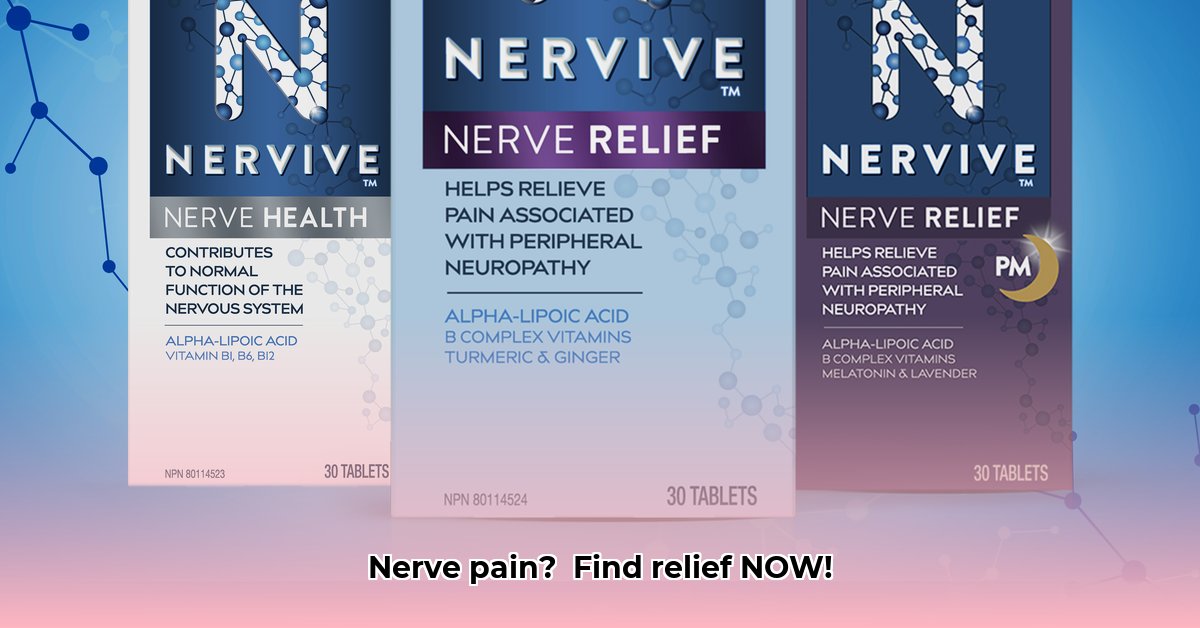
Is that nagging nerve pain gatvol? Jy's not alone. Many South Africans experience the sharp, shooting, or burning agony of nerve pain – dis is real. But don't worry, there's hope! This guide will help you understand your pain and explore effective solutions, from simple pharmacy buys to stronger meds your doctor might prescribe. We'll make it easy to follow, step-by-step, so you can choose what works best for you. We'll provide tips for long-term management, getting your life back on track. Let's find some relief together!
Understanding Your Nerve Pain: It’s Unique to You
Nerve pain, also called neuropathy, isn't a one-size-fits-all experience. One person might describe a burning sensation, while another might feel a tingling or shooting pain. It can feel like pins and needles, a deep ache, or even numbness or weakness. The causes are varied too—diabetes is a common culprit, but injuries, infections, some medications, or underlying medical conditions can also cause it. Pinpointing the cause is crucial for effective management. Have you noticed any patterns linked to your pain?
Your Path to Nerve Relief: A Step-by-Step Plan
Finding what works best for jou is key. This is a journey, not a quick fix, and partnering with your doctor is essential. They'll help you navigate options and develop a plan tailored to your needs, lifestyle, and health. Don't battle this alone – get the support you deserve.
Step 1: Consulting Your Doctor – The First Crucial Step
Your doctor needs a detailed picture of your experience. Where's the pain? How severe is it? What triggers it or makes it better? Specificity is key to a proper diagnosis. They'll conduct a physical exam and might order tests to rule out other conditions.
Step 2: Exploring Your Options for Nerve Pain Relief
Several approaches can help ease nerve pain. Your doctor will guide you in weighing the pros and cons, considering your unique situation.
Over-the-Counter (OTC) Relief: Topical creams with lidocaine or capsaicin can offer temporary relief from mild nerve pain. They might provide a cooling or warming sensation. Always follow instructions carefully; these are unlikely to help with chronic or severe pain.
Prescription Medications: Your doctor may prescribe anticonvulsants (for seizures) or antidepressants (for depression), surprisingly effective for nerve pain management. They influence how nerves transmit pain signals. These require a prescription and have potential side effects – open communication with your doctor is essential.
Lifestyle Adjustments: Making Small, Powerful Changes
Lifestyle changes significantly impact nerve pain.
* Diet: A balanced diet, rich in fruits, vegetables, and whole grains, supports overall health and nerve function.
-
Exercise: Regular, moderate exercise benefits overall well-being and can help manage pain. Start slowly and consult your doctor. Gentle activities like walking or swimming are great starting points.
-
Stress Management: Stress worsens nerve pain. Yoga, meditation, deep breathing, or mindfulness techniques can help manage stress.
- Complementary Therapies: Some find relief through acupuncture, massage, or physiotherapy. While some studies suggest benefits, more research is needed. Discuss these with your doctor.
Step 3: Ongoing Monitoring and Fine-Tuning
Your treatment plan isn't static. Regular follow-up appointments are vital to discuss effectiveness, side effects, and needed adjustments. Finding the right combination takes time and experimentation.
Step 4: Long-Term Nerve Pain Management: A Journey, Not a Sprint
Living with chronic nerve pain requires a long-term approach. Combine consistent lifestyle modifications, regular check-ups, and ongoing effort for sustainable results. Celebrate every progress milestone.
Best Antidepressants for Nerve Pain: A Doctor's Perspective
Living with nerve pain is challenging, impacting daily life. Let's explore how antidepressants can help.
Understanding Your Options
Nerve pain feels different for everyone. Tingling, burning, or shooting pains are common. Many things can cause it. Treatment is a team effort. Your doctor considers pain type, health, and your other medications.
Antidepressants in Pain Management
Certain antidepressants effectively manage nerve pain. They influence how your nervous system signals pain.
- Tricyclic Antidepressants (TCAs): Older drugs like amitriptyline, these can cause more side effects.
- Serotonin-Norepinephrine Reuptake Inhibitors (SNRIs): Duloxetine is a common SNRI, often more effective than TCAs and better tolerated.
The best antidepressant for nerve pain depends entirely on individual needs and is determined in consultation with a doctor. Self-medication is risky and should be avoided.
Making the Right Choice
Your doctor assesses: What type of pain do you have? What other health issues do you have? What medications are you already taking? SNRIs often perform better but individual reactions vary. Close monitoring and communication with your doctor are essential.
Navigating Potential Side Effects
Antidepressants have potential side effects, from mild (dry mouth) to more significant (drowsiness). Your doctor can help manage these. Openly discuss concerns; your comfort and safety are paramount.
A Holistic Approach
Medication is not the only solution. Lifestyle changes are key: regular exercise, stress reduction, and a healthy diet can supplement medication's effectiveness.
Key Takeaways:
- SNRIs often demonstrate superior effectiveness for nerve pain compared to TCAs.
- The best antidepressant for you depends on individual factors.
- Your doctor's guidance is essential; self-medication is dangerous.
- Managing side effects and embracing lifestyle changes are crucial for long-term relief.